
Virtual Staging for Real Estate in Phoenix, AZ: What Actually Works (And What Doesn't)
There are two types of agents who dismiss virtual staging. The first has never tried it. The second tried it once, got back images that looked like a furniture catalog dropped into a photograph, and moved on.
Both are leaving money on the table.
Done well, virtual staging is one of the most cost-effective tools in a Phoenix real estate agent's marketing kit. Done poorly, it actively hurts a listing — because buyers can tell, and when they can tell, it raises questions about what else isn't being shown honestly.
This post covers what virtual staging actually is, when it makes sense for a Phoenix listing, when it doesn't, and what separates the results that convert from the ones that backfire.
What Virtual Staging Is — and What It Isn't
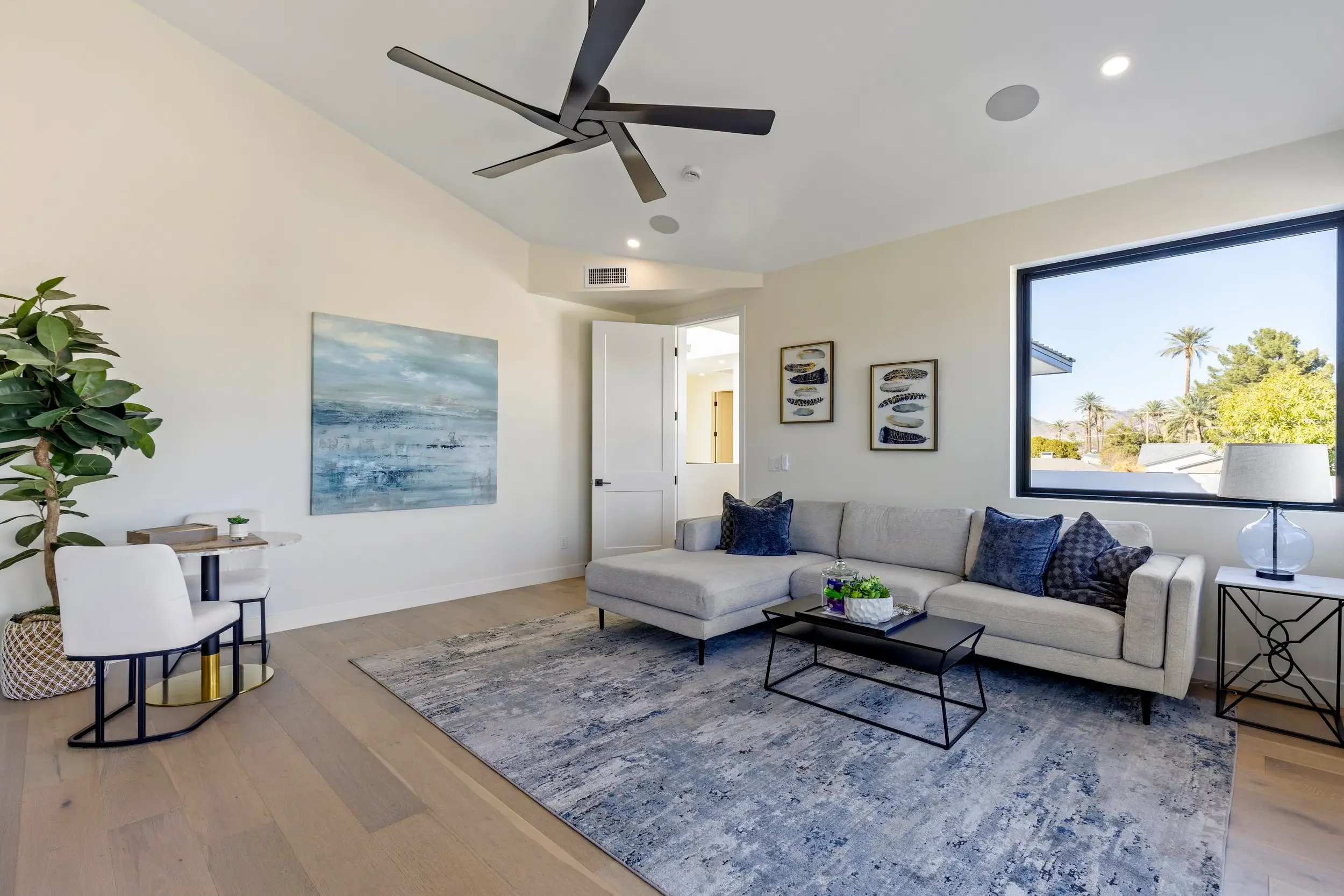
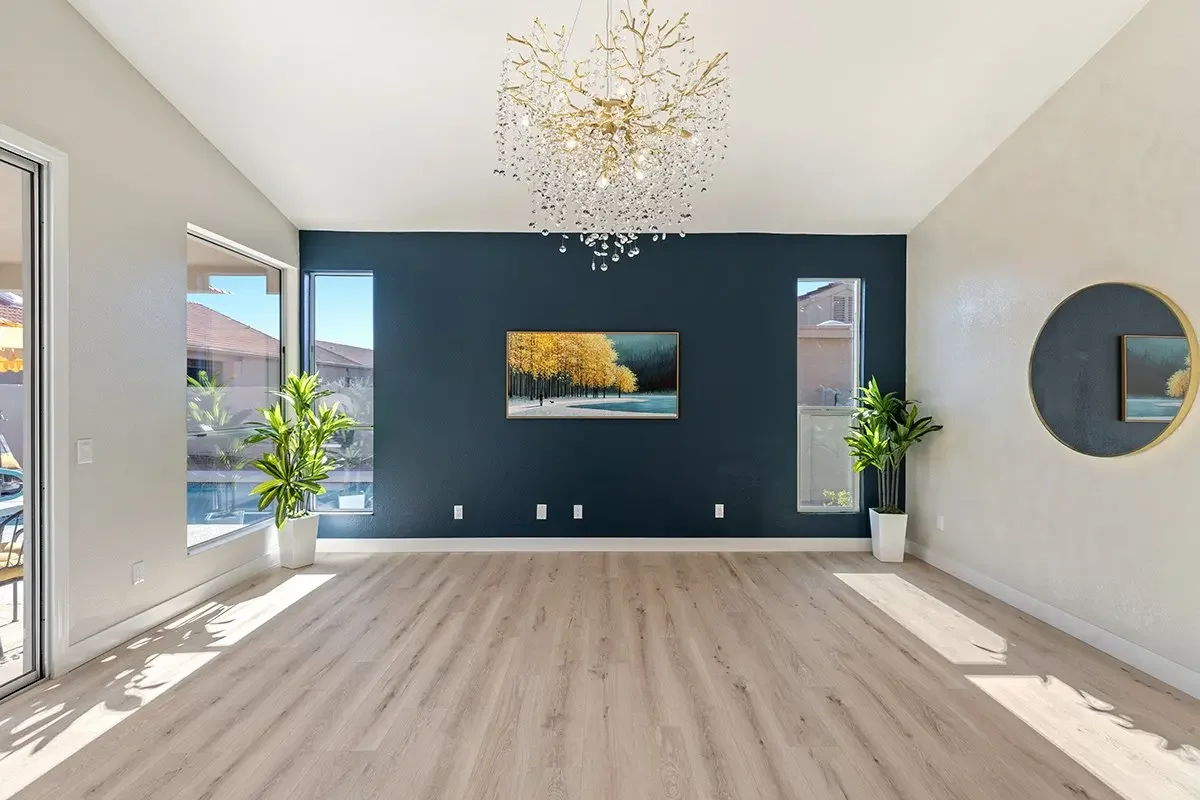
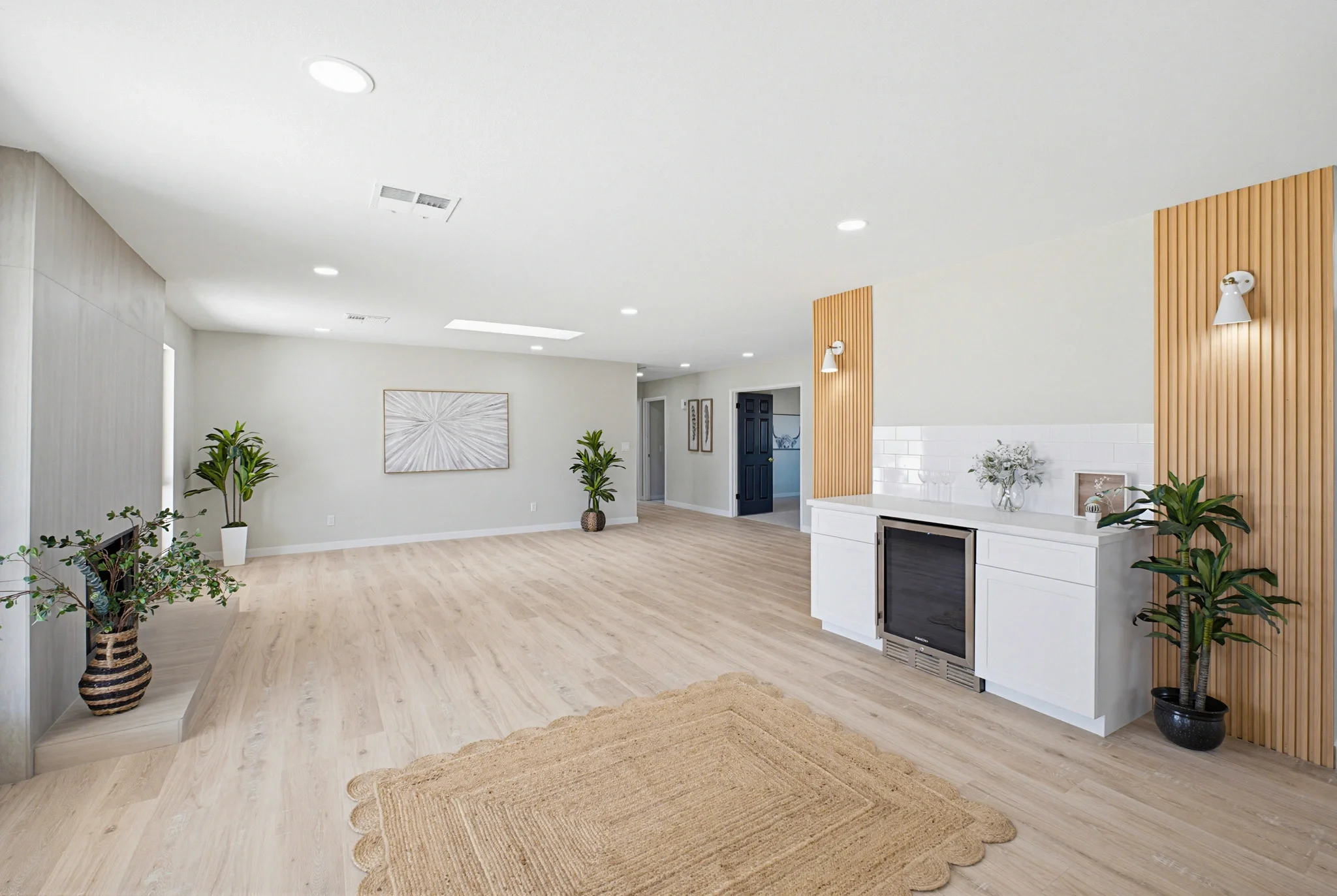
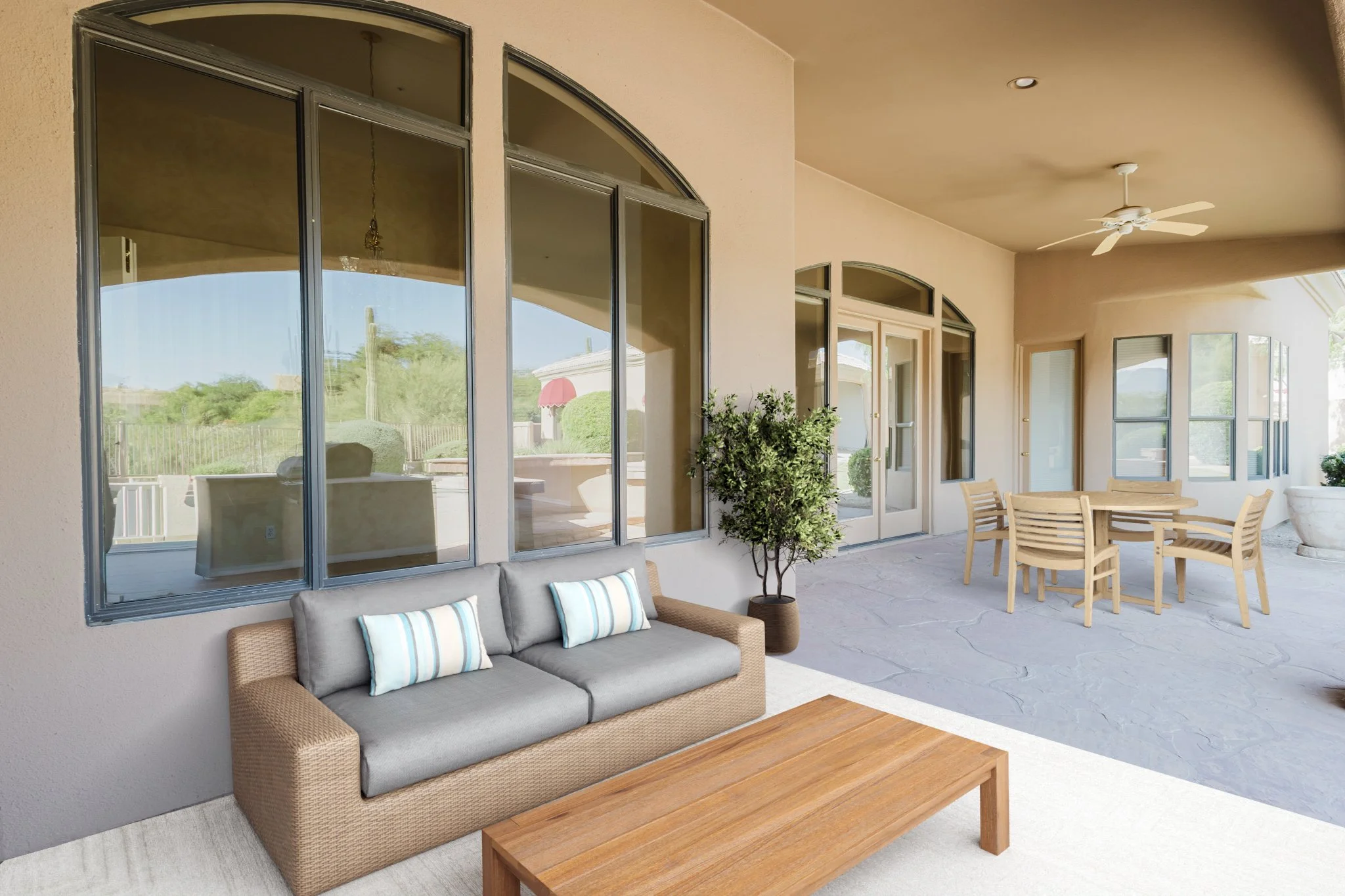
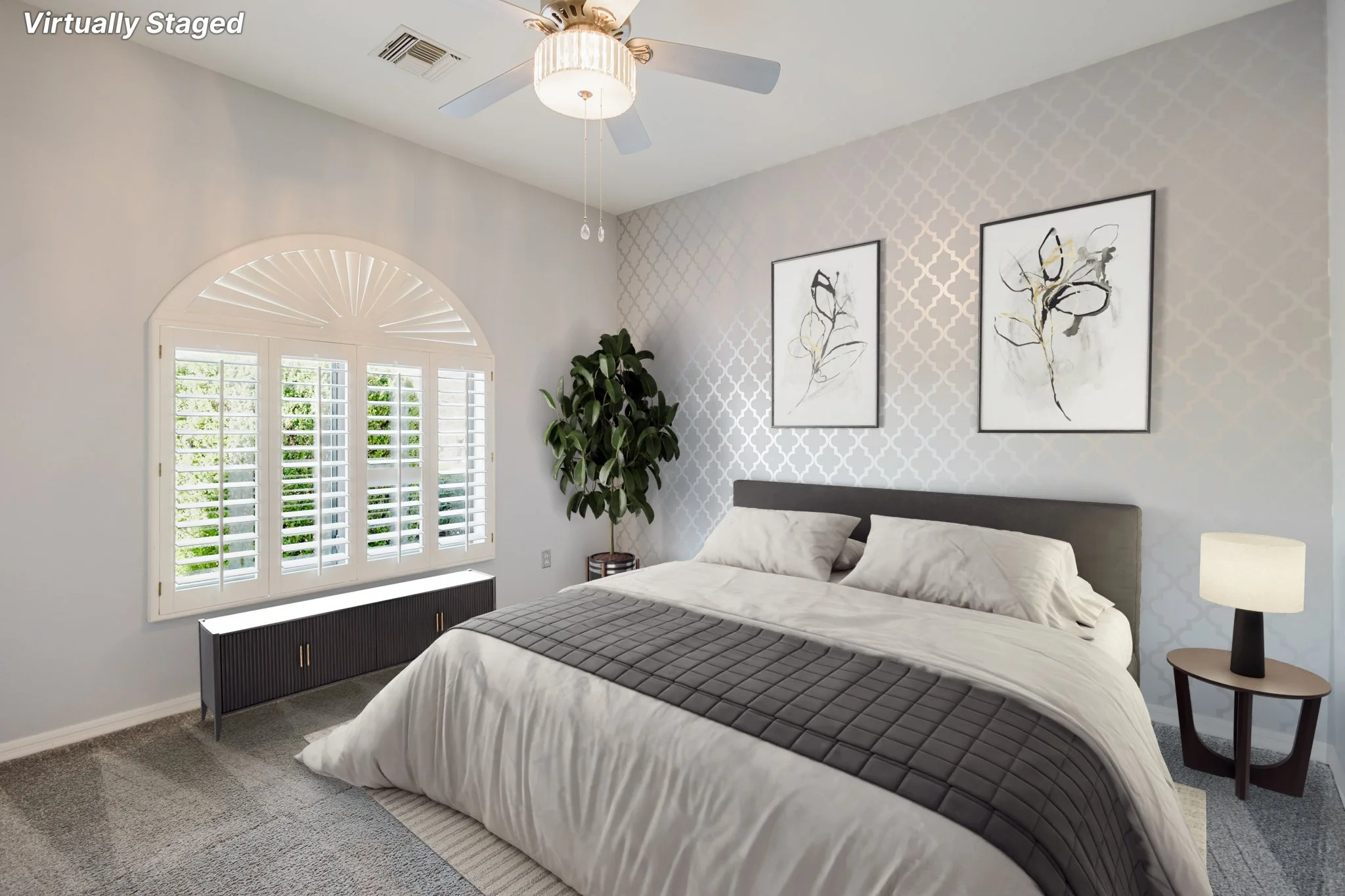
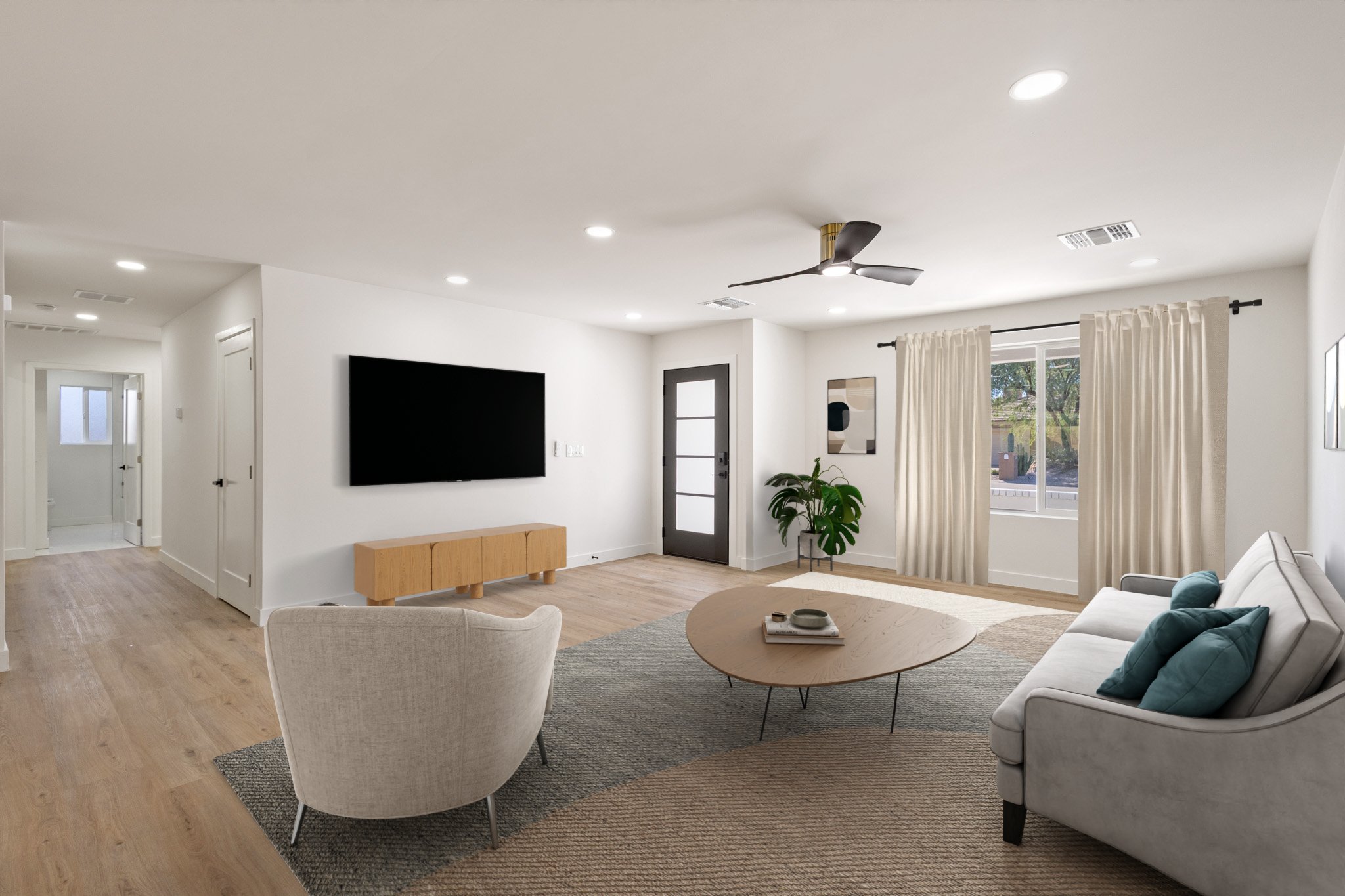
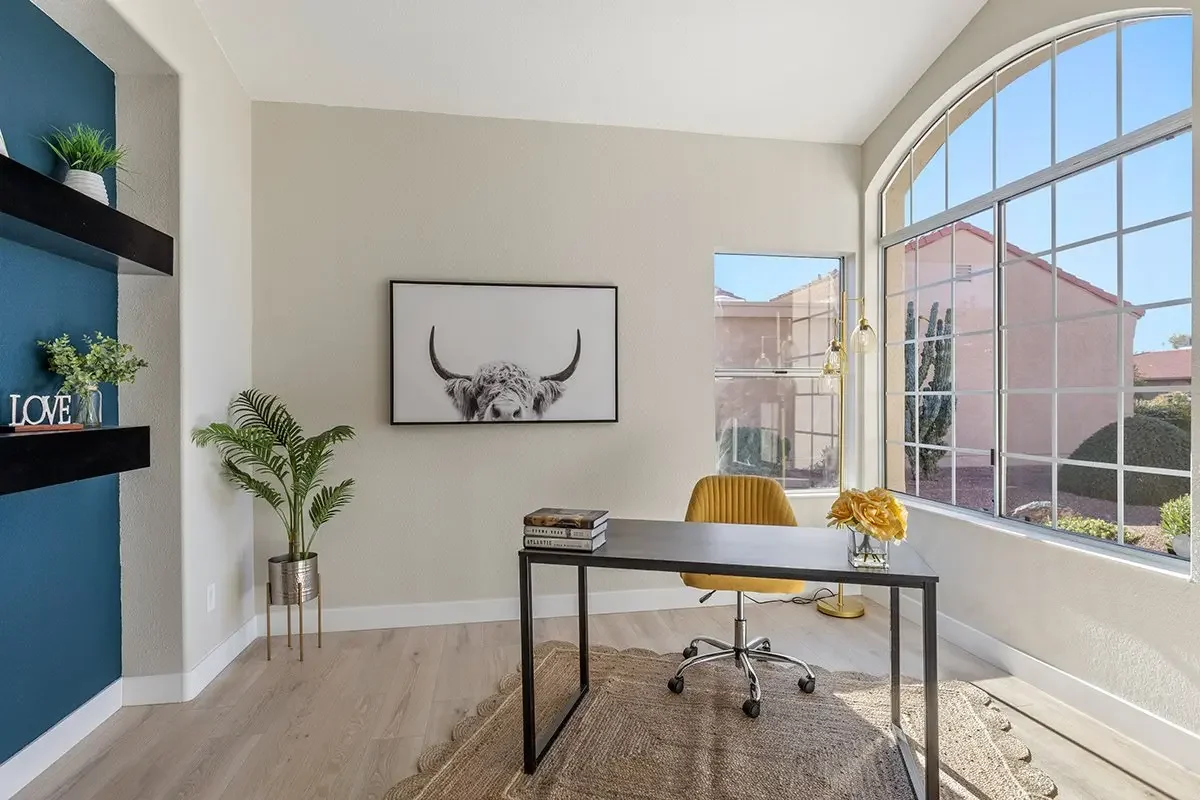
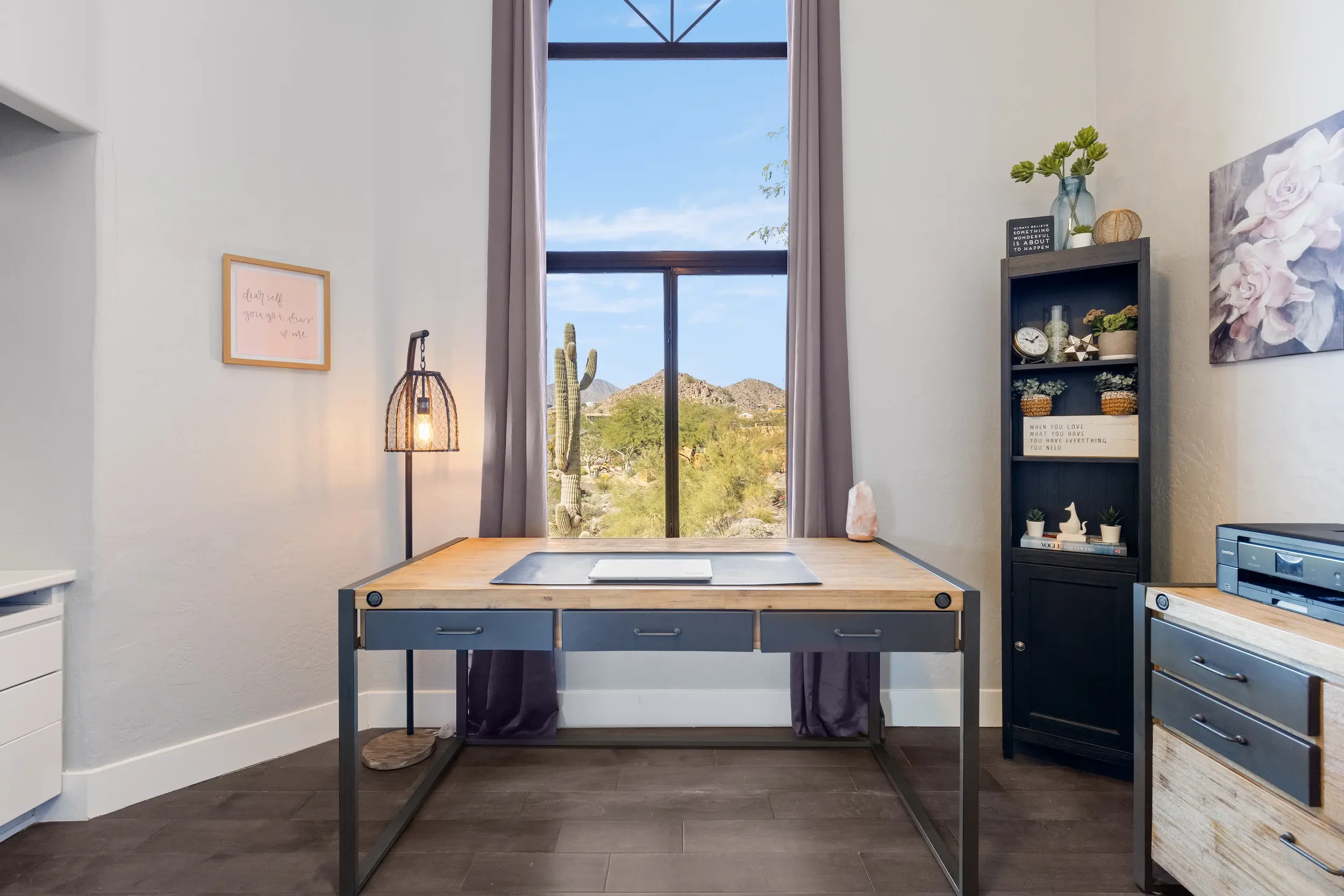
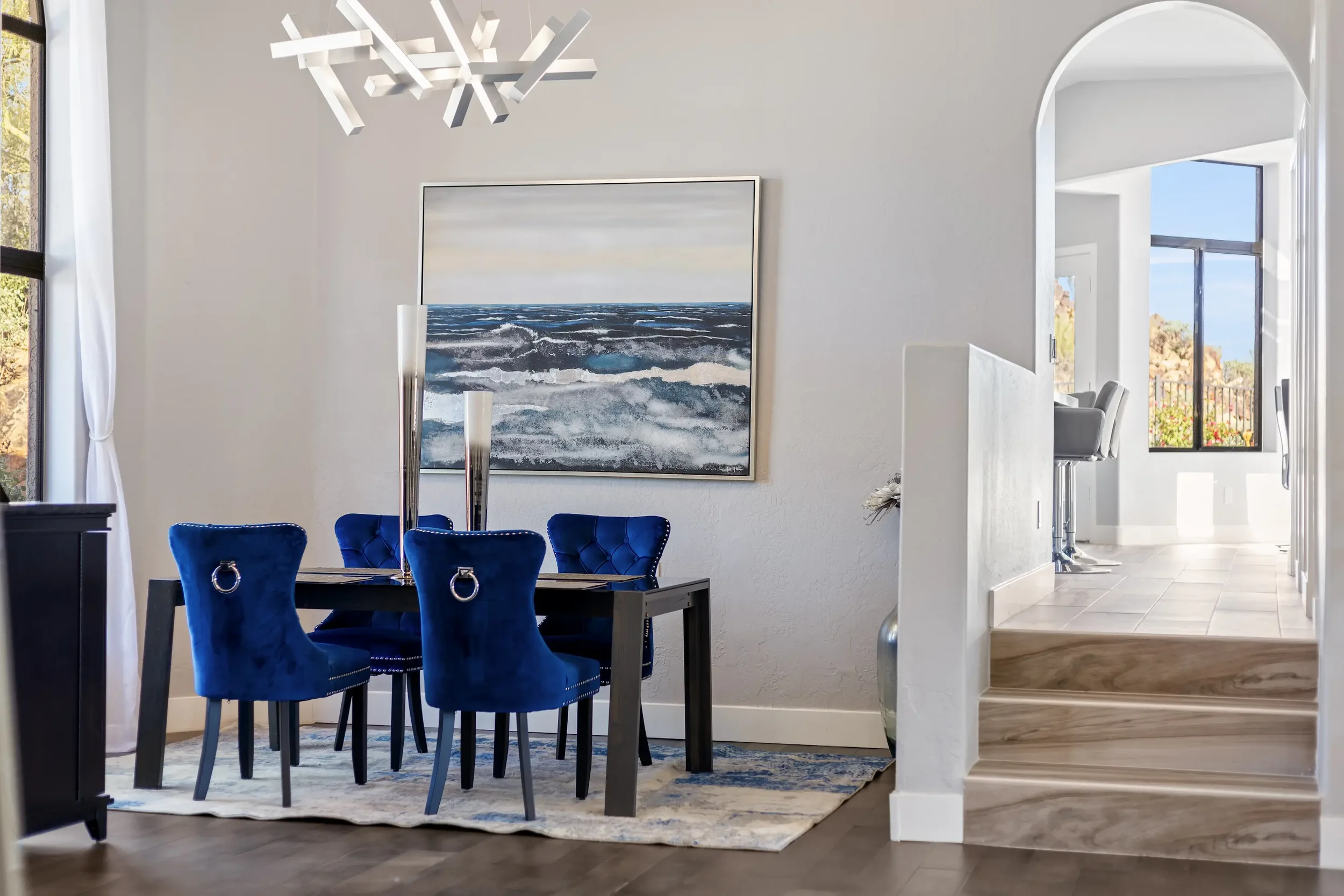
Virtual staging is the process of digitally adding furniture, art, rugs, lighting, and decor to photos of vacant or under-furnished rooms. A professional editor works from the original listing photos and produces finished images that show what the space could look like furnished.
It is not the same as physically staging a home. There are no furniture trucks, no rental contracts, and no one rearranging rooms on shoot day. It happens entirely in post-production, typically within 24 to 48 hours of receiving the original photos.
It is also not a filter or an automatic process. Quality virtual staging is skilled manual work — placing furniture at the correct perspective, matching natural shadows and light sources, choosing pieces that suit the home's architecture and the buyer it's trying to attract. When those things are done correctly, the result looks like a real room. When they're not, it looks like clip art.
Why Virtual Staging Has Become a Standard Tool in Phoenix
Phoenix has always had a high share of vacant listings — more so than many other major markets. Several factors drive this.
Relocation buyers are common across the Valley, particularly in Chandler and Peoria near major tech employers, and in master-planned communities like Eastmark, Vistancia, and Marley Park. Many of these buyers are selling their home in another state before they arrive, which means they often need the Phoenix property vacant and ready for a quick close. The home goes on market empty.
New construction inventory is another factor. Phoenix has seen sustained homebuilding activity across the East and West Valley, and builders typically sell homes vacant from model. Buyers viewing spec inventory or completed new builds with no furniture struggle to understand scale and livability without something in the frame.
Investor-owned properties and estate sales also contribute heavily to Phoenix's vacant listing inventory. These homes frequently have outdated or removed furnishings, and physical staging isn't always practical for the timeline or the price point.
Virtual staging addresses all of these situations with a faster turnaround and at a fraction of the cost of physical staging furniture rentals.

When Virtual Staging Makes the Most Sense
Virtual staging works best in specific situations. Knowing which ones apply to your listing helps you decide whether it belongs in the package before you book the shoot.
Vacant homes in the $350K–$750K range. This is the sweet spot in the Phoenix market. At this price point, buyers have expectations that a vacant home often can't meet on its own — they want to see livability, scale, and style — but the economics of physical staging don't always pencil out. Virtual staging fills that gap efficiently.
Homes with strong bones but dated finishes. If a Mesa or Glendale resale has solid layout and good natural light but older carpet and original cabinets, virtual staging with contemporary furniture can redirect a buyer's attention toward the home's potential rather than its current cosmetics. This isn't deception — the furniture doesn't cover any defects — it simply gives the eye something positive to land on.
New construction without model home furniture. Builders who sell from inventory rather than a model often have vacant spec homes that photograph as bare drywall and empty rooms. Virtual staging gives buyers something to anchor to when they're trying to visualize an unfurnished space.
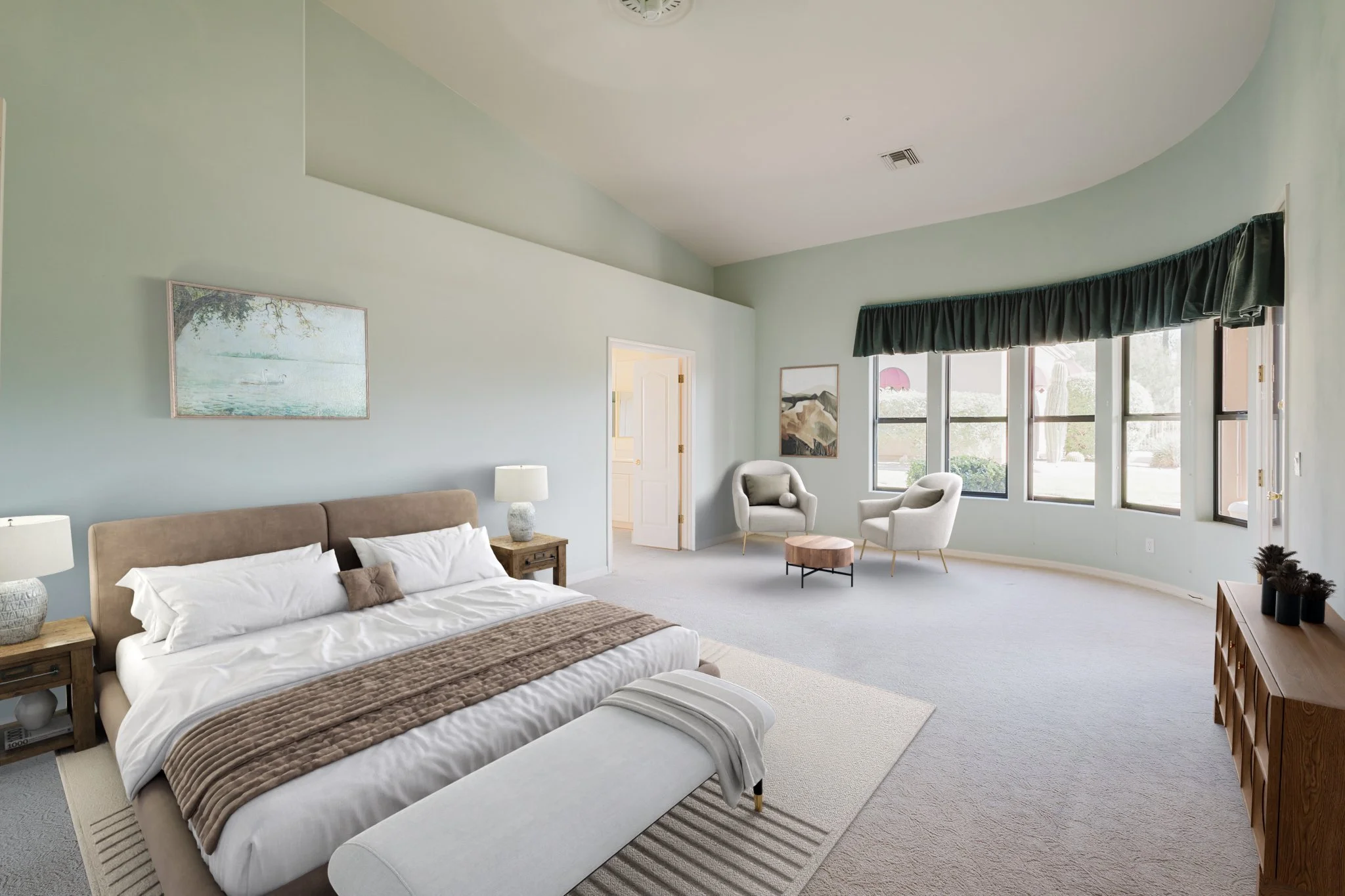
Vacant luxury listings where physical staging isn't in the budget. A vacant home listed above $700K in Scottsdale or Las Sendas communicates the wrong thing to buyers — it can feel cold, abandoned, or difficult to connect with emotionally. Physical staging is the gold standard here, but when it's not an option, virtual staging done at a high level of quality is meaningfully better than nothing.
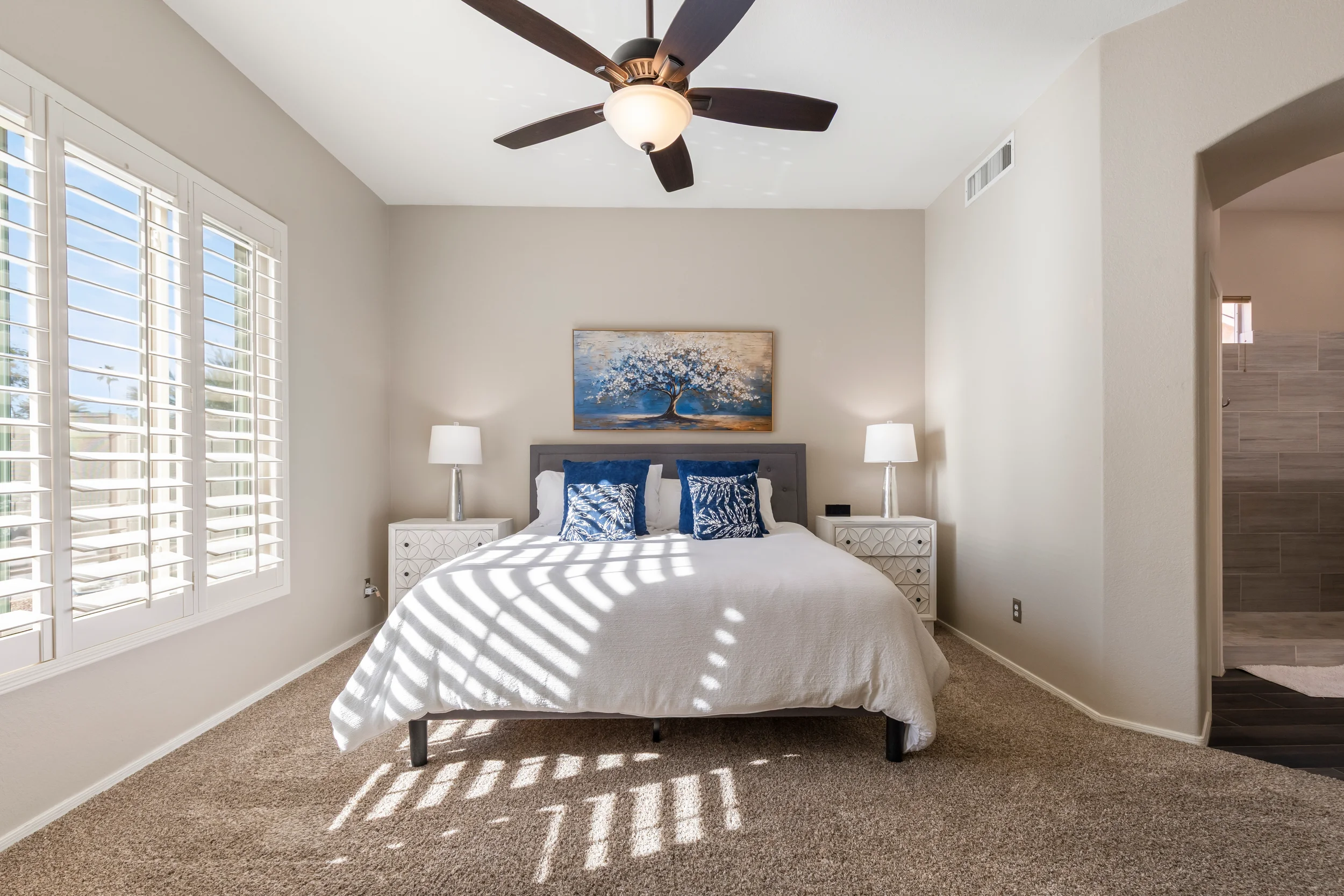
Secondary and bonus rooms. Even in listings that are otherwise furnished, there's often a room that got emptied out before the shoot — a home office, a bonus room, a loft, a guest bedroom. Virtual staging a single vacant room to match the rest of the furnished listing is a targeted and cost-effective use of the service.
When Virtual Staging Doesn't Add Much
Virtual staging isn't the right call for every listing. There are situations where it won't move the needle — and one where it can actively work against you.
Fully furnished and well-styled homes. If a seller has tasteful furniture, good natural light, and a reasonably clean space, virtual staging adds nothing. Spend the budget on twilight photography instead.
Homes with significant visible issues. Virtual staging doesn't fix peeling paint, water-stained ceilings, or dated fixtures. If a buyer walks in and the space looks nothing like the photos, the staging backfires — it creates a mismatch between the online impression and the in-person reality that erodes trust rather than building it. Real estate disclosure still applies; virtual staging should enhance a space, not obscure a problem.
Very low price points where buyer expectations are minimal. A starter home in south Glendale or West Mesa listed below $280K is attracting buyers who are primarily focused on price and condition. They're not expecting a Pinterest-worthy interior, and virtual staging dollars might be better spent on professional cleaning or paint touch-ups before the shoot.
What Good Virtual Staging Actually Looks Like
The difference between virtual staging that converts and virtual staging that makes buyers uncomfortable comes down to a handful of things.
Perspective accuracy. Furniture placed at the wrong angle or scale breaks the illusion immediately. A couch that looks like it's floating, a rug that doesn't sit on the floor correctly, a dining table that's disproportionate to the room — all of these signal to a buyer that something is off, even if they can't articulate exactly what.
Lighting consistency. The staged furniture needs to look like it's being lit by the same light sources as the room. Shadows need to fall in the right direction. If the room has afternoon sun coming from the west, the furniture shouldn't look like it's lit from the ceiling.
Style matching the home and the buyer. A contemporary minimalist design scheme dropped into a 1990s Mediterranean-style Gilbert home creates visual dissonance. Good virtual staging considers the architectural style of the property and the buyer profile most likely to purchase it. A Scottsdale luxury buyer responds differently to a room than a Chandler family relocating from the Pacific Northwest.
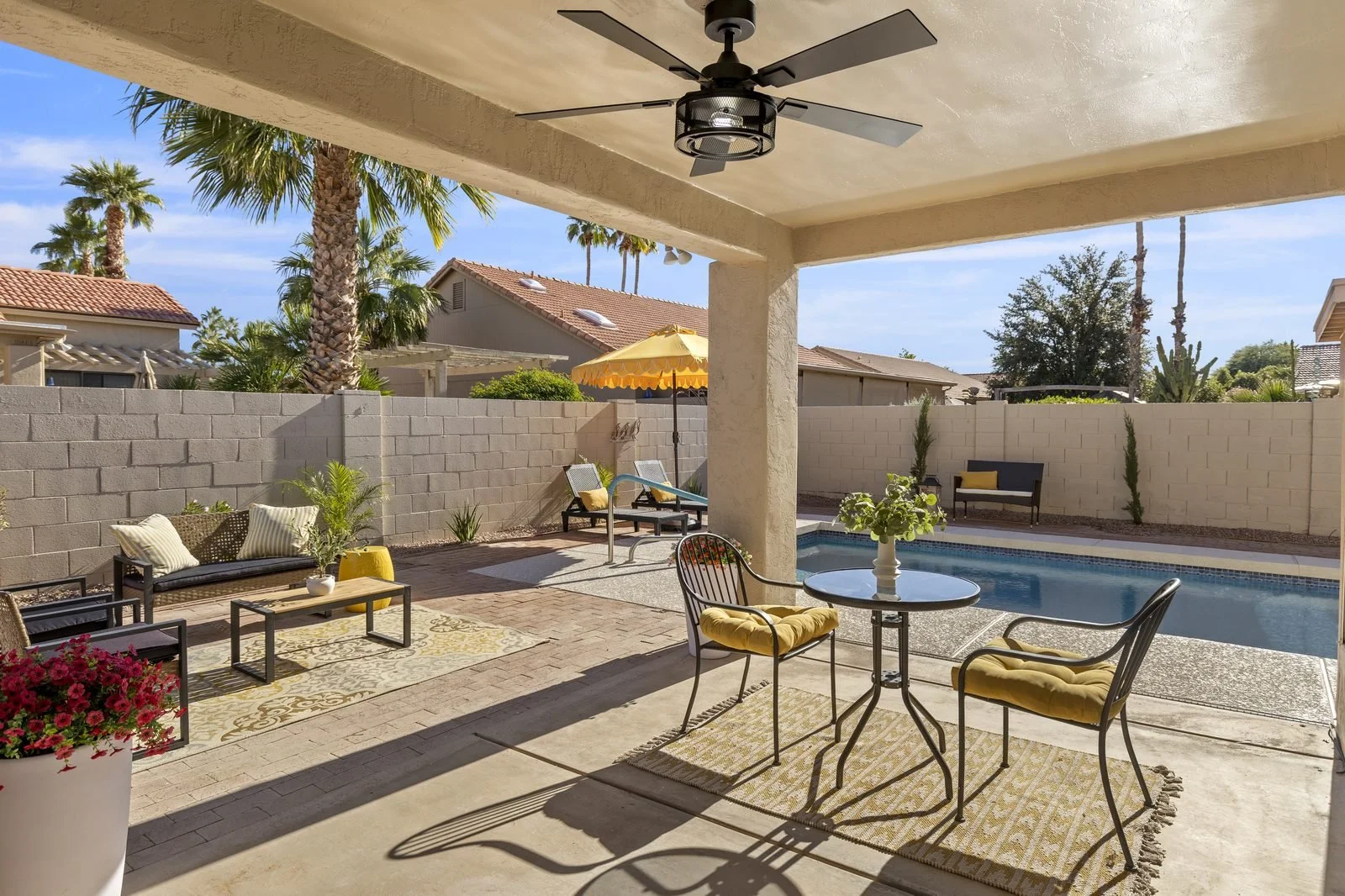
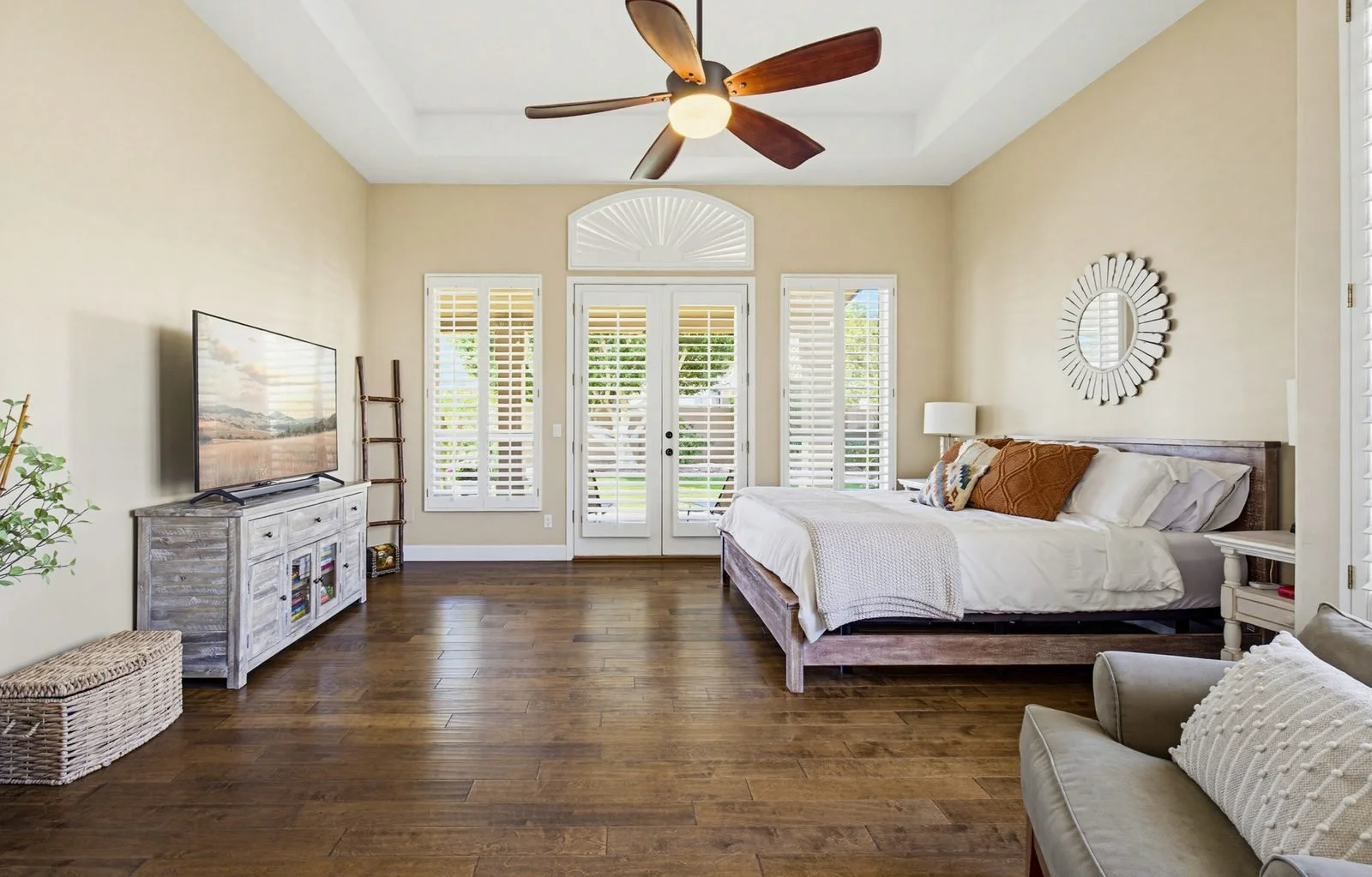
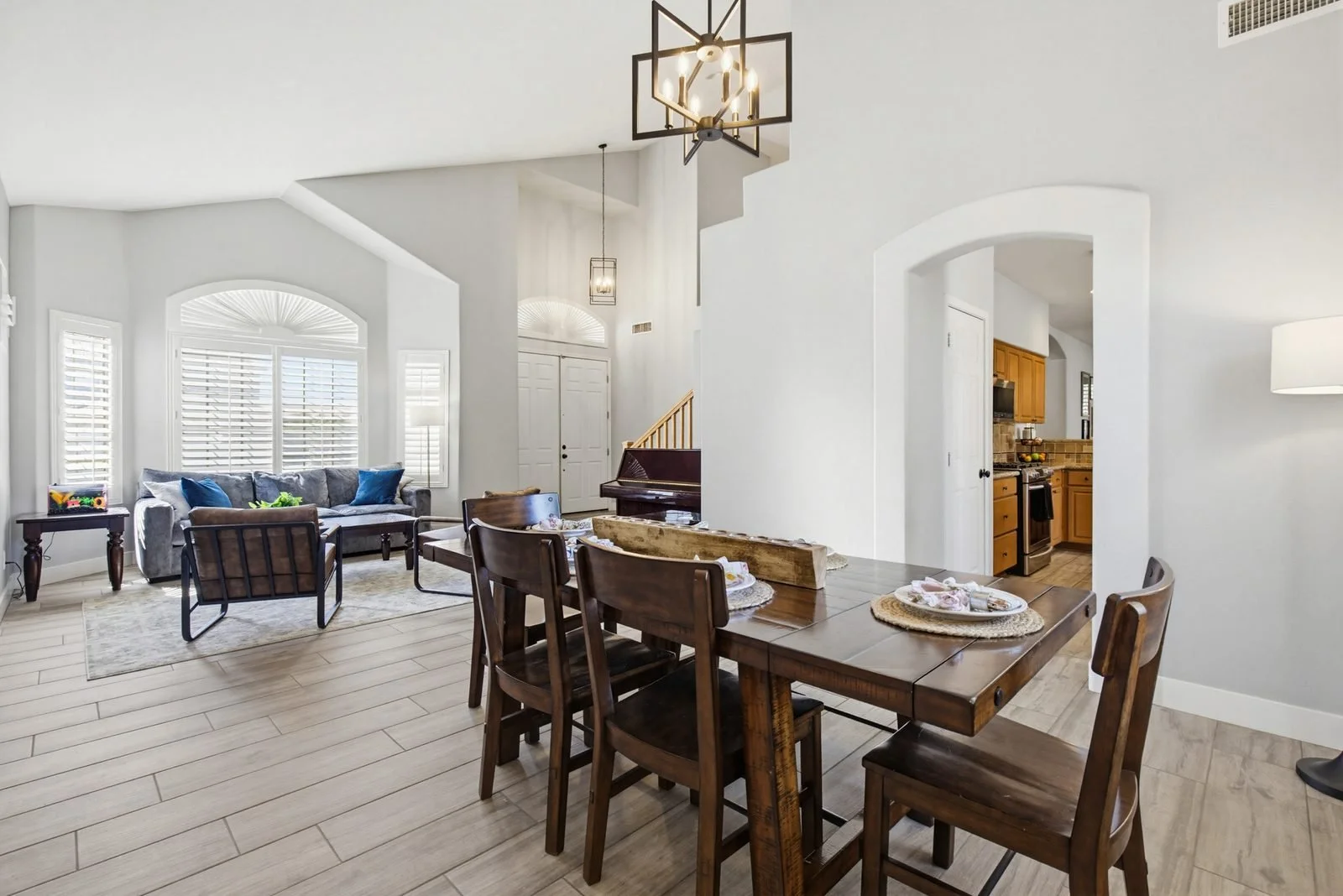
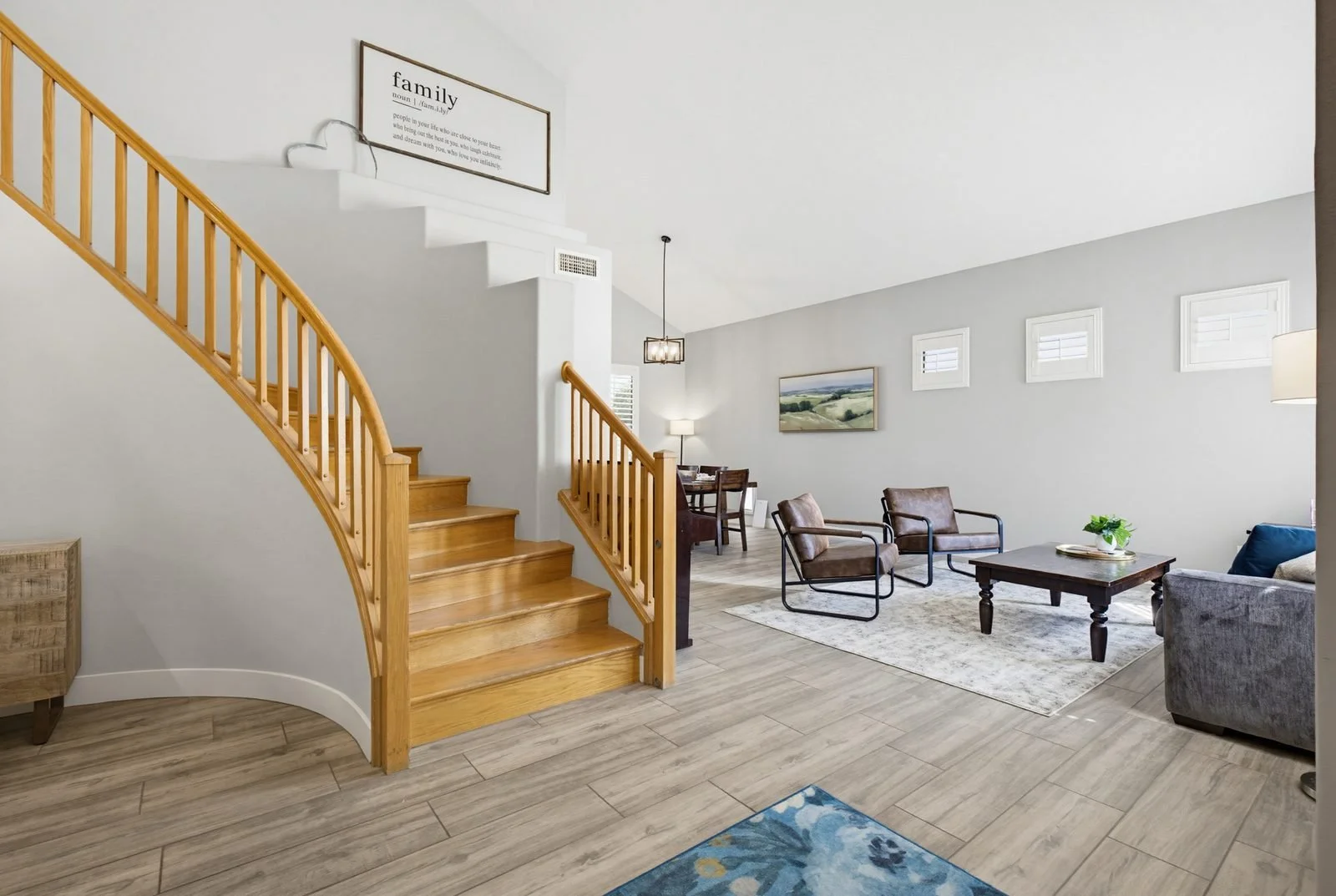
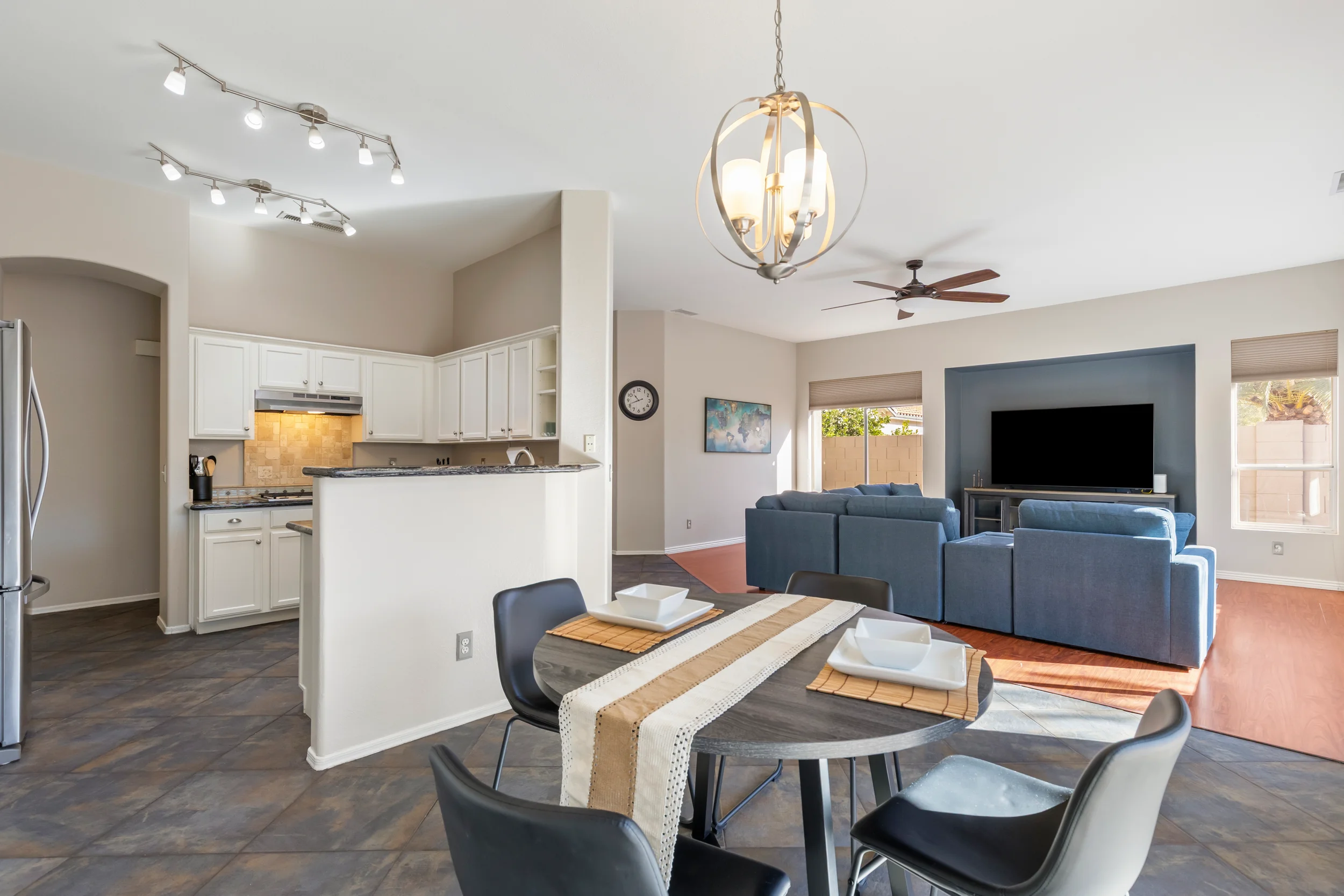
Restraint. The rooms should look furnished, not staged. Too much furniture, too many accent pieces, overly curated vignettes — these read as fake. Real rooms have some breathing room. The best virtual staging looks like someone actually lives there.
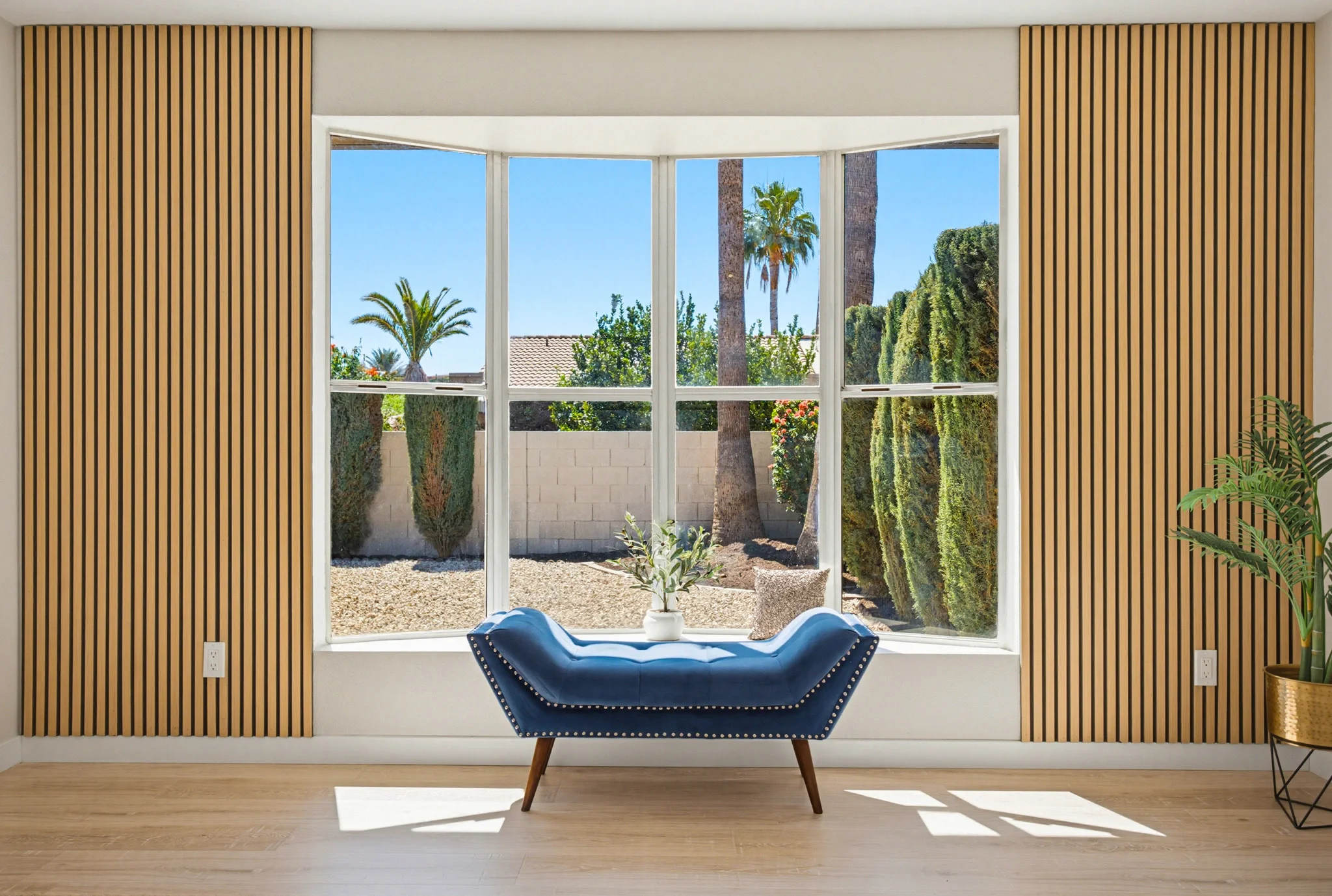
How Valley View Photo Handles Virtual Staging
We offer virtual staging as a standalone add-on or as part of a bundled listing package. A few things that matter to us about how we do it:
We work from your actual listing photos. The virtual staging is applied to the same HDR images we deliver as part of your photography package — there's no separate "staging shoot." You receive both the original vacant photos and the virtually staged versions.
Turnaround is fast. Virtually staged images are typically delivered within 24 to 48 hours of your photography shoot, which means they're ready when you're ready to list.
Style selection is flexible. We can work with a general direction — contemporary, transitional, warm, minimal — based on the home and what we know about the buyer profile. If you have specific preferences, let us know before the shoot.
We only stage what makes sense. We won't push you to stage rooms where it doesn't add value. A furnished master bedroom in a home with one vacant guest room doesn't need a full staging package — it needs one room done well.
Adding Virtual Staging to Your Next Phoenix Listing
If you're working with a vacant home or have a room that photographs poorly empty, virtual staging is worth adding to your package. It costs significantly less than a single day of physical furniture rental and delivers results that are available to every online buyer who sees your listing — not just the ones who scheduled a showing.
Book your shoot →
Questions? Call or text us at 602-341-3123
Valley View Photo is a Phoenix-based real estate media company offering HDR photography, drone aerials, 3D tours, floor plans, virtual staging, and digital twilight for agents across the Valley. Learn more about our virtual staging service →

