
How to Choose a Real Estate Photographer in Phoenix: A Buyer's Guide
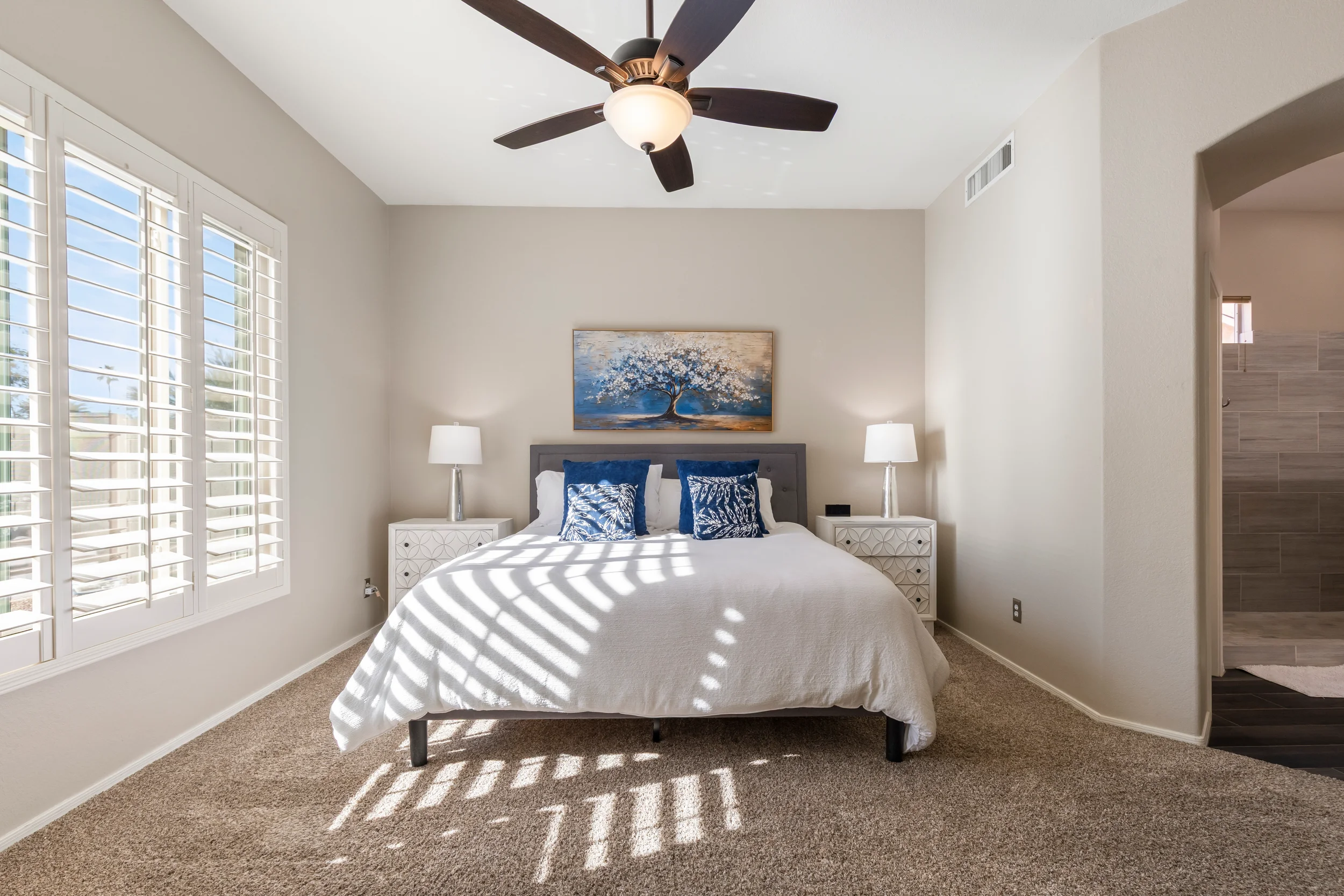
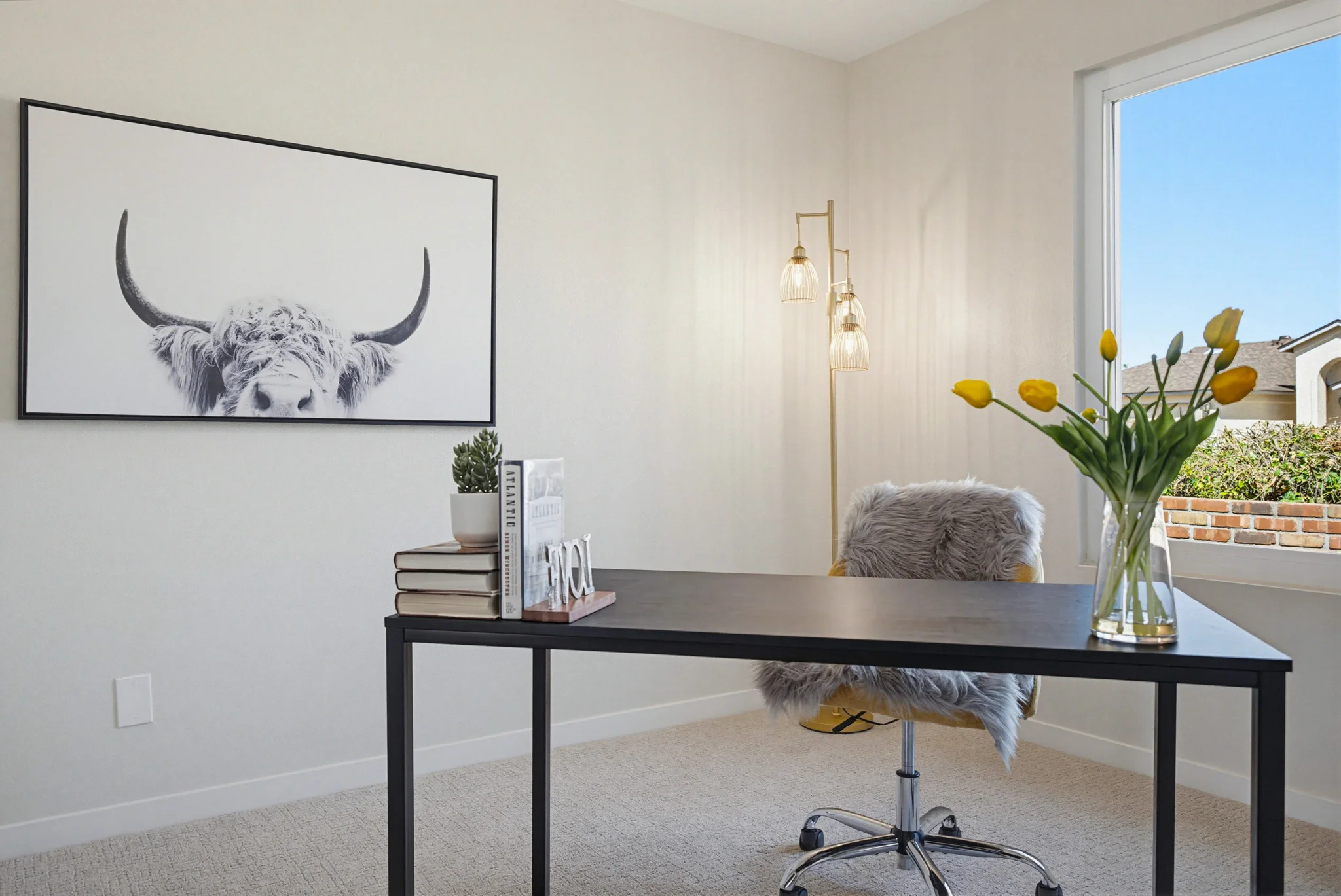
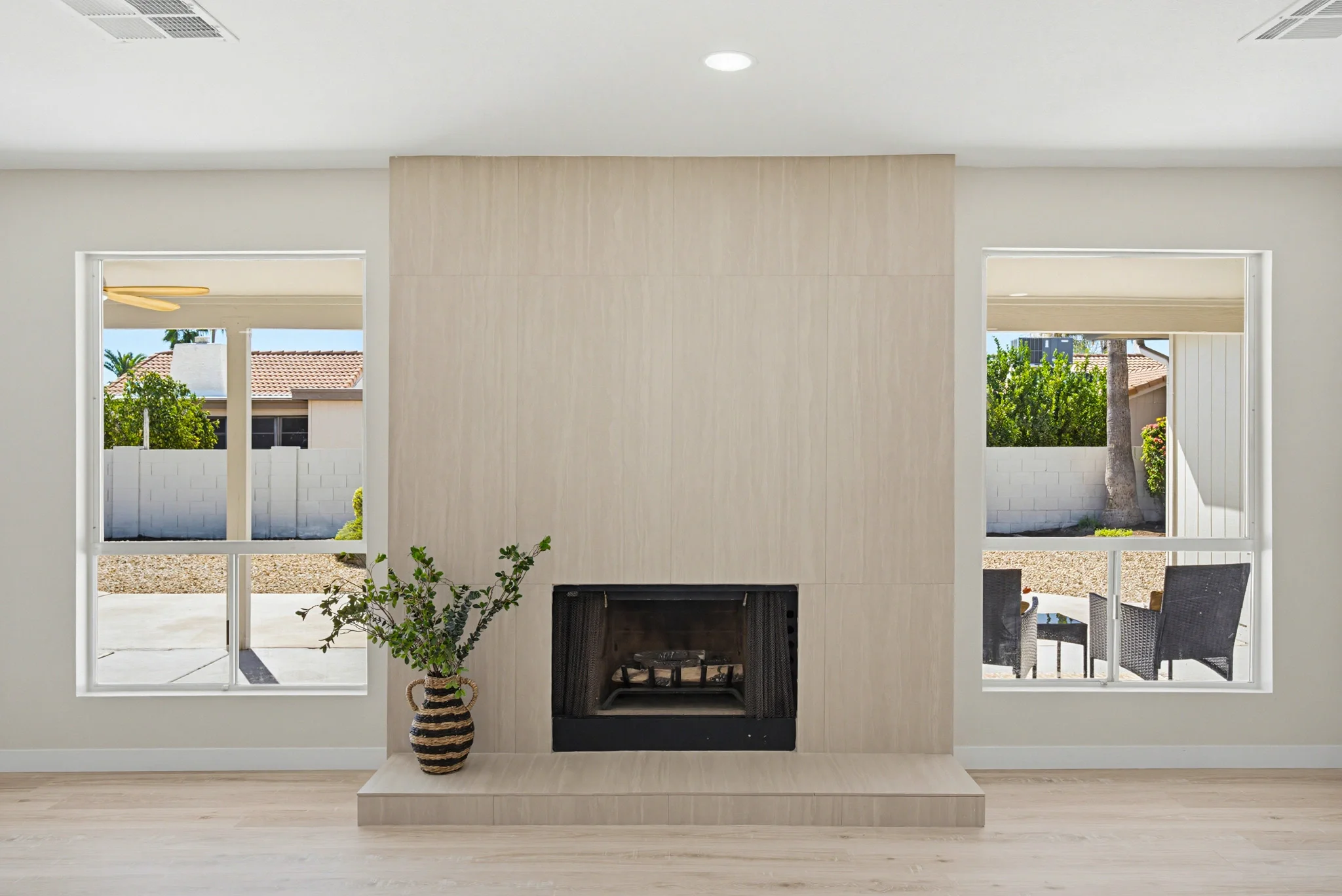
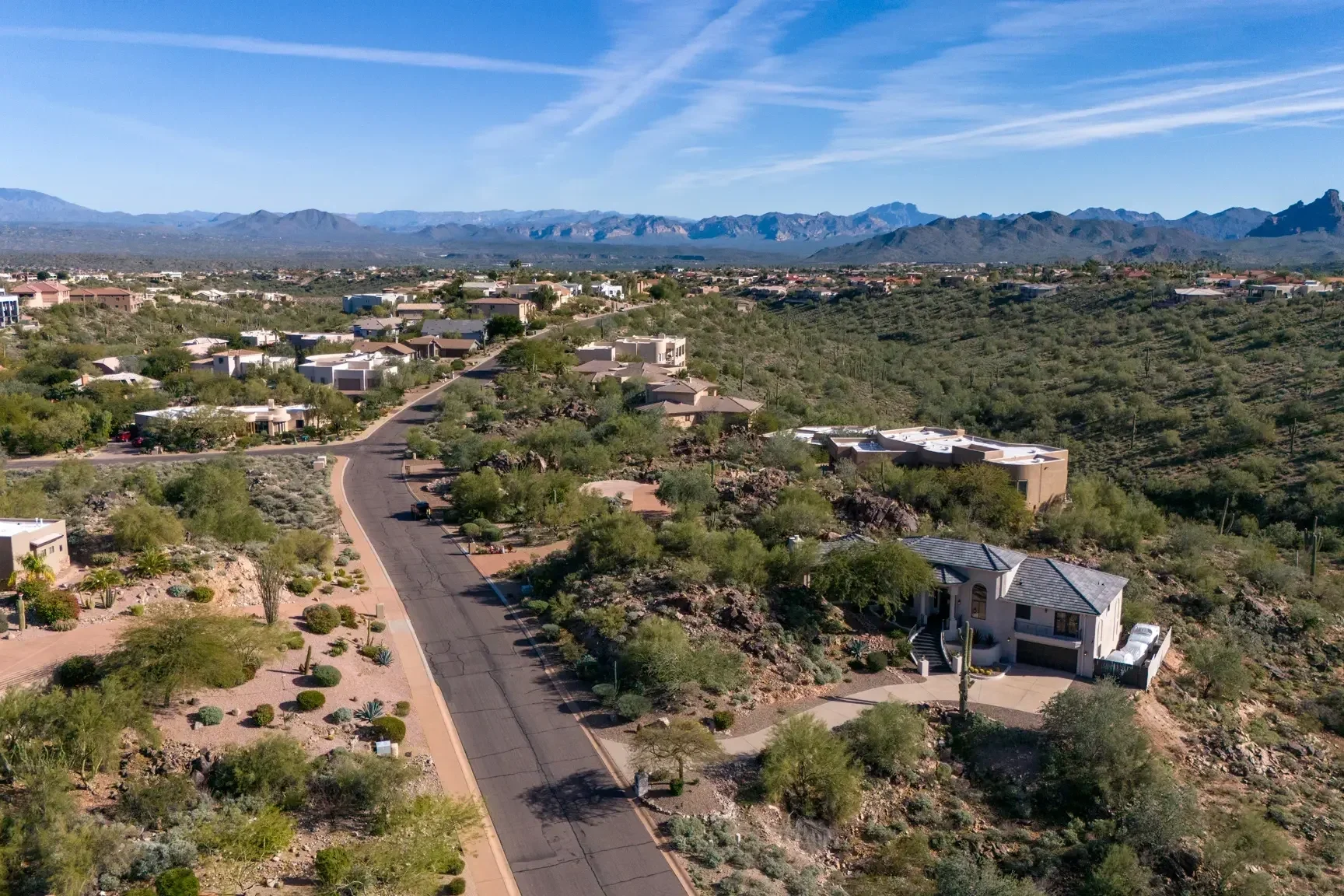
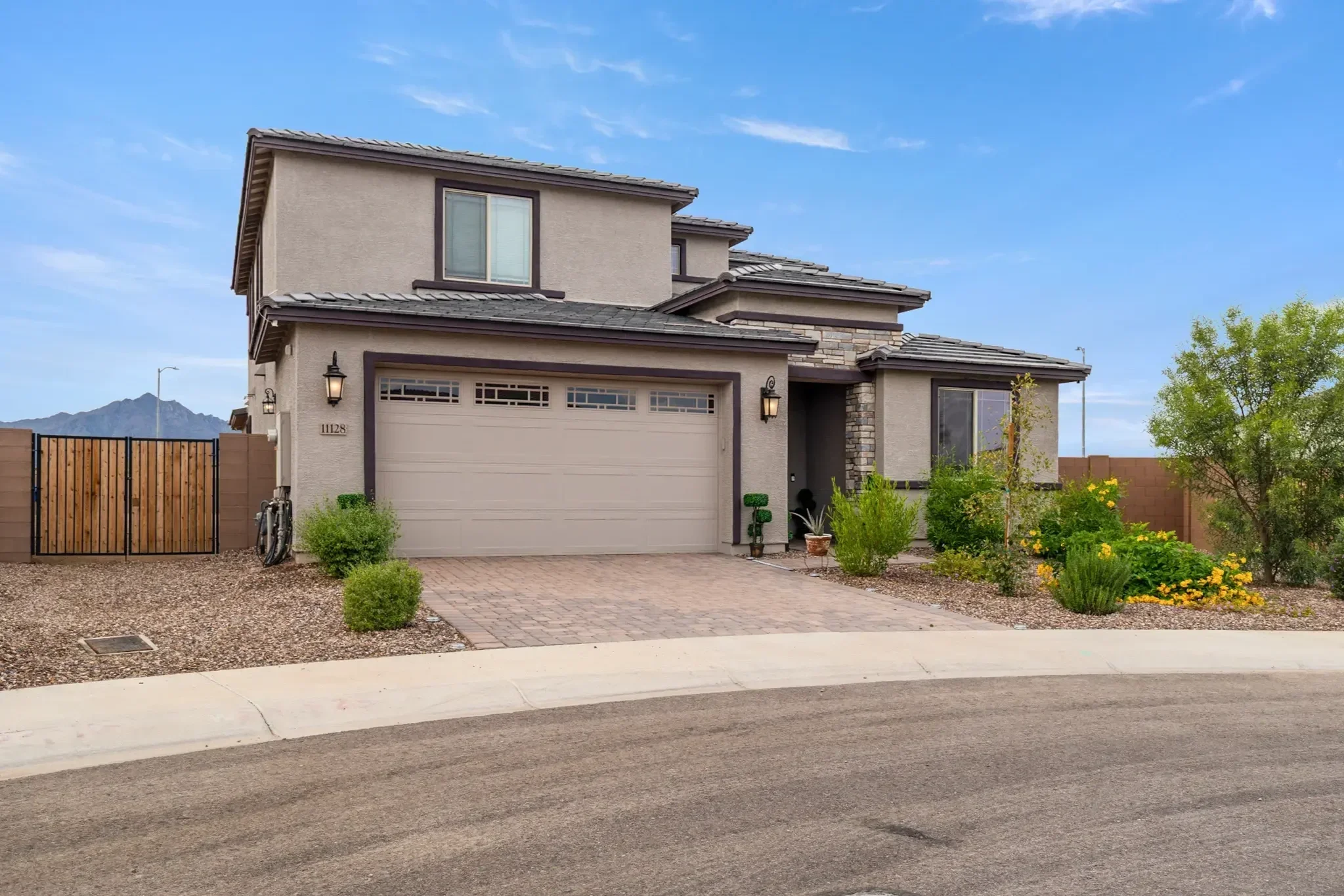

There are dozens of options, prices range from $99 to $500+, and everyone claims to be "professional." Here's how to actually tell the difference before you book.
If you've searched "real estate photographer Phoenix," you already know the problem: there are dozens of options, prices range from $99 to $500+ per shoot, and almost every website claims to offer "professional, high-quality photography." None of that tells you who's actually going to make your listing look its best.
This guide breaks down exactly what to look for, what questions to ask, and what red flags should make you keep scrolling — so you can choose a photographer with confidence instead of just picking whoever shows up first in Google.
Why Your Choice of Photographer Actually Matters
Before getting into how to choose, it's worth understanding what's at stake. Listing photos are the first — and often only — chance you get to make a buyer stop scrolling.
Homes marketed with professional photography consistently sell faster and for more than comparable listings shot on a phone or by an inexperienced photographer. In a market where the average buyer spends just seconds deciding whether to click into a listing, the quality of your photos directly affects your showings, your offers, and your days on market.
That's the whole reason this decision deserves more than five minutes of research.
Look at Their Portfolio — But Look at the Right Things
Almost every photographer's website shows their best work. That's expected. The mistake agents make is judging a photographer only by their showcase gallery instead of asking to see a full, unedited delivery set from a property similar to the one you're listing.
When reviewing a portfolio, pay attention to:
- Straight lines. Walls, doorframes, and cabinets should look straight and true — not warped or leaning, which happens with poor lens correction.
- Natural-looking light. HDR photography should make a room look bright and balanced, not blown out, oversaturated, or artificial.
- Consistency across rooms. A photographer who nails the living room but underexposes the bathroom isn't giving you a reliable product.
- Property types similar to yours. A portfolio full of $2 million luxury estates doesn't tell you much if you're listing a $350,000 starter home.
"Can you send me a full gallery from a recent shoot, not just your top 10 portfolio images?"
Confirm They Specialize in Real Estate — Not Just Photography in General
Real estate photography is its own discipline. It requires specific lighting techniques, wide-angle lens work, and an understanding of how to make a room look spacious without distorting it. A wedding photographer or portrait photographer who "also shoots houses on the side" is not the same as a dedicated real estate photographer.
"Do you specialize in real estate photography, or is this a side service?" and "How many homes do you shoot in an average month?"
Look for someone whose primary business is real estate and architectural photography — not someone treating it as a secondary offering between other types of shoots.
Ask What's Actually Included in the Price
This is where agents most often get burned. A photographer might advertise a low base rate, then add charges for drone photography, twilight shots, floor plans, rush editing, or even the number of photos delivered. By the time you add it all up, the "budget" option may cost the same as a full-service package — minus the convenience.
What to ask before booking:
- How many edited photos are included?
- Is drone photography included or an add-on?
- Are floor plans, virtual tours, and twilight conversions available, and at what cost?
- Is there a travel fee for your area?
- What's the cost for rescheduling or a weather-related delay?
A photographer who gives you a clear, itemized answer upfront is generally more reliable to work with than one who quotes a vague flat rate and adds line items later.
Ask About Turnaround Time
In real estate, speed matters almost as much as quality. If a listing is ready to go and your photos take four days to arrive, you're losing market momentum every day the listing sits without photos.
What's reasonable to expect in the Phoenix market:
- Same-day or next-day delivery for standard listings
- A clear answer — not a vague "soon" — when you ask directly
"What is your standard turnaround time from the shoot to delivery of final, edited images?"
If a photographer can't give you a specific number, that's worth noting.
Check Their Equipment and Technical Capability
You don't need to become a camera expert, but a few basics separate professionals from hobbyists:
- A full-frame DSLR or mirrorless camera with a wide-angle lens (typically in the 10-22mm range) for interior shots
- Off-camera lighting equipment for low-light or window-heavy rooms
- FAA Part 107 certification if they offer drone photography — this is a legal requirement, not optional
- Professional editing software for HDR processing, color correction, and lens distortion correction
"Are you FAA Part 107 certified for drone work?" If a photographer offers aerial photography without this certification, that's a legal and liability red flag — for them and for you.
Ask What Other Services They Offer
The agents who get the most value from a photography relationship usually work with a provider who can deliver more than just photos. Managing one vendor for photography, drone, floor plans, 3D tours, and virtual staging is simpler — and often less expensive — than coordinating four separate companies for every listing.
Services worth asking about:
- Drone photography and video
- 3D virtual tours (Zillow 3D or Matterport-style)
- Floor plans
- Virtual staging for vacant properties
- Digital twilight conversions
Even if you don't need all of these for every listing, working with a photographer who offers the full range means you have options without starting your vendor search over for every job.
Read Reviews — But Look Beyond Their Website
Testimonials on a photographer's own site are curated. Before booking, check independent platforms:
- Google Reviews — look for consistency across a large number of reviews, not just a handful of five-star ratings
- Facebook reviews — often more candid than Google
- Ask the photographer directly for two or three agent references you can contact
If a photographer has been in business for any length of time in the Phoenix market, they should have no hesitation connecting you with agents who've used them repeatedly.
Ask How They Handle Scheduling Conflicts and Weather
Phoenix weather is generally photographer-friendly, but monsoon season, dust storms, and occasional rain can still disrupt outdoor and drone shoots. A professional should have a clear policy for rescheduling without penalizing you.
"What's your policy if weather prevents an outdoor or drone shoot on the scheduled day?"
A photographer with a vague or non-existent answer here may leave you stuck if conditions don't cooperate on shoot day.
Make Sure They Understand MLS and Listing Platform Requirements
Different MLS systems and platforms like Zillow have specific requirements for image dimensions, file formats, and even disclosure language for virtually staged or digitally altered photos. A photographer experienced in the Phoenix market should already know these requirements without you having to explain them.
"Are your photo deliverables MLS-compliant and sized correctly for [your MLS system] and Zillow?"
Red Flags to Watch For
A few warning signs should make you pause before booking:
- Vague pricing that doesn't clarify what's included until after you've booked
- No drone certification despite offering aerial photography
- Slow or evasive responses to scheduling questions — this often predicts how communication will go during the actual listing process
- A portfolio with only one or two standout images rather than full galleries
- No local presence or reviews in the Phoenix market specifically
Quick Checklist Before You Book
- Reviewed a full delivery gallery, not just portfolio highlights
- Confirmed they specialize in real estate photography
- Received a clear, itemized price with no hidden add-ons
- Confirmed turnaround time in writing
- Verified FAA Part 107 certification if drone work is included
- Asked about additional services (floor plans, 3D tours, virtual staging, twilight)
- Checked independent reviews on Google or Facebook
- Confirmed their weather/rescheduling policy
- Confirmed MLS and platform compliance for your area
What This Looks Like at Valley View Photo
We built our process around the exact questions above, because we've fielded them from agents across the Valley for years:
- Full galleries, every time — you see the complete, edited delivery set, not a curated highlight reel
- Transparent pricing with no surprise add-ons
- Fast turnaround so your listing doesn't lose momentum waiting on photos
- FAA-licensed drone pilots for every aerial shoot
- One booking, every service — photography, drone, floor plans, 3D tours, virtual staging, and digital twilight
If you're weighing your options for an upcoming Phoenix-area listing, we're happy to answer any of the questions above directly.

